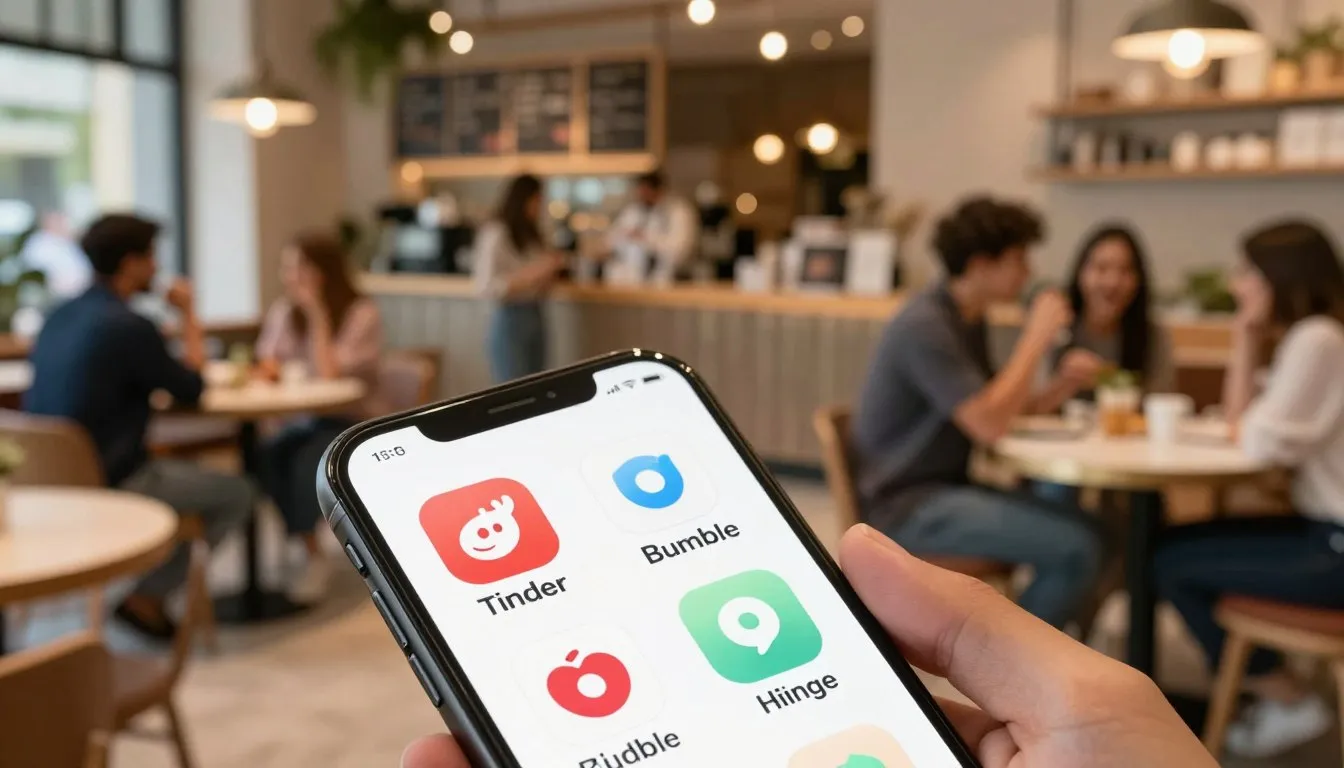
Best Free Dating Apps to Meet Singles Online


People seeking singles online can use this guide to compare options, start genuine conversations, and explore shared interests. Each app offers different tools, so checking its features can help set clear expectations.
Research cited in the source found signs of burnout among consistent users in 2024. A few minutes spent reviewing profiles and privacy settings may help a user choose with care, instead of investing a lot of time too soon.
Facebook Dating offers matching and messaging at no cost, giving readers one practical starting point. Still, a thoughtful profile and respectful messages matter more than quick results. No platform can promise love or a date; each person’s experience depends on their goals and communication.
The guide also considers conversation tools, safety settings, and what each site asks users to share. Its focus is on informed choices, real connection, and clear boundaries that help protect privacy.
A low-cost start can help people explore their options without a large commitment. Still, price alone does not show whether a platform offers a useful experience. Readers can weigh its features, privacy choices, and conversation tools before spending time there.
A free download may offer core tools while reserving some services for paid plans. Feeld, for example, sells subscriptions that add unlimited likes and let users see who liked them. Before signing up, each user can check limits and costs. That quick review can prevent surprises later.
Hinge’s no-cost version includes profile browsing, likes, matches, and chats with matches, though it limits daily likes. This gives users a clear way to test the app before paying. Plenty of swipes may feel active, but they do not ensure thoughtful exchanges or shared goals.
Research cited in the source found burnout symptoms among consistent users in 2024. A few minutes spent checking whether a platform supports respectful conversation may help people protect their time and energy. Practical value matters more than swipe volume.
A useful platform makes key choices clear and easy to find. Before joining a site, users can review its layout, profile details, and privacy controls. These basics help people decide if the experience fits their needs.
Simple menus save time, while authentic profiles give users a better sense of who may reach out. Recent photos and specific details can help a user make an informed choice.
Shared interests offer a natural start to a conversation. Bumble lets users add interest badges and set dating intentions. If they’re looking for relationships, readers can check whether profiles state goals clearly.
Safety matters as much as profile quality. Bumble lists ID Verification and says messages must follow its community guidelines. Compare sites for clear privacy settings and standards that support respectful contact. This advice can help users choose apps with care.
| What to check | Why it matters | Example |
|---|---|---|
| Profile details | Clarify who someone may be | Recent photos and specific prompts |
| Intentions | Show relationship goals | Bumble dating intentions |
| Privacy and conduct | Support safer, respectful contact | ID Verification and message guidelines |
Facebook Dating may feel familiar to people who already use Facebook. If the main Facebook app is on their phone, they do not need to download another app to access this service. That can make it easy to explore without adding a new icon or account.
The service provides matching and messaging without a fee. Users can view profiles, consider shared interests, and decide whether they want to send likes or start a conversation. These features offer ways to connect, but they cannot promise a match or love.
Facebook Dating is one choice among plenty of services. A user can compare its features with other options and decide which experience fits their preferences. Taking time to review profiles and settings can help people make a more informed choice before they reach out.
Feeld centers its community on connections that do not follow one standard script. This dating option suits people exploring nonmonogamy, casual hookups, and other relationship styles.
A user can create a profile, view profiles, send likes, and start messaging after mutual interest. Core chat and match tools are available without a fee, so users can try the app before paying.
Paid tiers add unlimited likes and let users see who liked them. These features may help, but they do not guarantee matches or love. The site works best when a profile states what kind of relationship, sex, or casual hookups its owner seeks.
Feeld’s approach may suit users who value open communication and clear boundaries. Each person can decide whether its style fits their goals.
| Option | What it offers | What to consider |
|---|---|---|
| Basic account | Profiles, mutual likes, and chat | Connect only after shared interest |
| Paid tiers | Unlimited likes and liked-by visibility | Check whether added tools are useful |
| Personal fit | Room to state intentions | Share boundaries and goals early |
Hinge’s free version lets users browse profiles, send likes, match, and chat with matches. A daily limit on likes also shapes the pace, so each user can consider whether it fits their dating experience.
Unlike a service that centers mostly on photos, Hinge invites people to notice prompts and personal details. A closer look at profiles can help users assess shared interests and relationship goals before they choose a match.
“A specific detail can turn a first message into a real conversation.”
For a more personal opening, someone might ask about a hobby or place mentioned in a profile. That small step can make matching feel less routine and give a potential partner a clear way to respond.
People seeking love or lasting relationships can compare Hinge with other dating apps and review each platform’s features. The site may suit users who want thoughtful exchanges, though no app can promise a relationship.
Tinder offers broad reach for people who want many potential connections in one place. The source describes it as likely to have the biggest possible dating pool, though a large pool does not ensure compatibility. Each person can decide whether that range suits their goals.
The Tinder app includes key tools at no cost. Users can create a profile, browse profiles, send likes, match, and use messaging. Its paid option adds premium prompts and lets users set certain preferences. These extras are separate from the core features.
Taking time to choose who to contact can make the platform feel more purposeful. A thoughtful opening message gives a potential match something specific to answer.
| Option | What it includes | What to weigh |
|---|---|---|
| Core access | Profile, likes, matches, and messaging | Broad reach does not ensure fit |
| Paid option | Premium prompts and set preferences | Check whether these extras help |
Bumble sets a clear pace for first contact, which can shape a dating experience. Its approach may appeal to people who value shared intentions and thoughtful communication.
The site’s women-first messaging model gives a woman 24 hours to send the first chat after a match. The other person then has 24 hours to reply. Users can consider whether that time limit fits their routine.
Profile prompts, interest badges, and dating-intention settings help users show what they’re looking for. The app also offers video chat and Snooze Mode. Men and other users can review profiles and photos, then decide whether the platform suits their goals for relationships.
Clear intentions can make a first message feel more respectful.
People can compare the site with other apps before they download the app. That quick review can help them decide if its messaging pace and features fit their needs before planning a date.
OkCupid takes a question-led approach to dating, giving each user more context than a photo or brief bio can offer. Its free tier includes compatibility-focused profiles and extensive questions, so people can weigh shared interests, values, and relationship goals before choosing a match.
Rather than judge profiles by appearance alone, users can review answers and profile details. This can make the experience more deliberate. A person may spot a preference that matters to them, then use it to begin a thoughtful exchange. Useful details create better conversation openings.
“A good first message starts with something the other person chose to share.”
Readers can check likes and other features, then decide if this site suits their needs. OkCupid is one dating app among many apps, and its profile-based view can help assess potential matches. Compatibility prompts can support a choice, but they cannot prove two people will connect. The platform’s matching tools offer a starting point for people seeking relationships, not a guarantee of lasting fit.
For those who prefer a low-pressure start, Sintony offers a welcoming place to explore new connections. People considering dating apps can view it as one option for meeting others and beginning a conversation. Its simple approach may feel accessible, but each user should decide whether the experience suits them.
The available information does not confirm whether Sintony is totally free or describe its specific features. Readers should check the site directly rather than assume it offers certain matching tools. They can also review profiles to see whether the details help them understand other people’s interests.
Before choosing the app, users can consider their goals and preferred way to communicate. A profile that feels comfortable to browse may help someone decide whether to send a like or seek matches. Still, a match cannot promise love or lasting relationships.
A positive first impression can make it easier to start exploring. Sintony may suit some people, while others may prefer a different option. Each person can take time to choose a platform that supports respectful conversation and clear expectations.
Before signing up, people can compare what each service includes and what it reserves for paid plans. A “totally free” label does not always mean unlimited use. Reviewing the details can help users avoid surprise costs and pick a service that fits their needs.
Facebook Dating provides matching and messaging at no cost. Hinge lets users browse profiles, send likes, match, and chat, but it limits daily likes. Feeld’s paid tiers add unlimited likes and show who liked a user. Tinder’s no-cost tier includes profiles, likes, matches, and messages; paid access adds premium prompts and some preference settings. Bumble offers basic features at no cost, with optional Bumble Boost, Bumble Premium, and Premium+ packages.
More profiles do not always lead to better connections. Someone seeking a large dating pool may value reach, while another user may prefer clear tools for conversation or a smaller pace. People looking for relationships or hookups can weigh those goals against each service’s features.
A thoughtful profile helps a potential match see what makes someone distinct. Honest details also set clear expectations from the start.
Recent photos give people a more realistic first impression than old or misleading images. Choose clear shots that reflect daily life, such as a favorite hobby or a relaxed weekend outing. Bumble’s app offers photo tips and profile prompts to help users present themselves with care.
For a dating profile, name real interests and intentions. A detail about cooking, local hikes, or live music gives a potential partner an easy way to start a chat. One Bumble user review reports a 300-character limit for its personalized introduction field, so concise writing may help. Its guidance on bios and prompts is useful advice, but each user can choose what feels true.
Strong profiles do not need to appeal to everyone. They should give users useful conversation starters and reflect what they hope to find, whether that means a new connection or love. Check each site’s features and limits before editing; a genuine approach can make the experience feel more personal.
| Profile element | Practical choice | Why it helps |
|---|---|---|
| Photos | Use current, everyday images | Sets a realistic first impression |
| Bio | Name specific interests and intentions | Gives a match a natural opener |
| Length | Check character limits | Keeps details clear and concise |
A strong conversation often begins with one small detail, not a clever line. On a dating app, a note about a shared hobby can make the first exchange feel warm and specific. It also gives people a clear topic to build on.
A match’s profile may mention a favorite trail, recipe, or band. Referring to that detail shows interest and gives the other person an easy way to respond. Bumble prompts and interest badges also offer visible topics to mention.
Questions that invite a story can lead to a better exchange than ones answered with “yes” or “no.” Good messaging also goes both ways: after asking, the sender can share a related detail about their own interests. This makes the experience feel more like a conversation than an interview.
Respectful dating conversations start with attention. A thoughtful message responds to something the other person shared, rather than guessing what they want. That small choice can make messaging feel more natural and help both people decide if they want to continue.
Each site may set its own conduct rules. Bumble, for example, says messages must follow its community guidelines. Clear standards can support a better experience, but users also need to speak up about their own limits.
People do not owe anyone a reply or a continued conversation. A polite close can work when interest differs, while silence may be the right choice if someone feels uneasy. Respect means honoring another person’s choice, even when it ends a conversation. This approach can help create healthier connections and more considerate relationships online.
A dating app can feel personal before trust has time to grow. In online dating, a careful approach helps people protect private details as they decide whether the experience feels right.
Each site may handle data differently. Bumble says it processes personal data under its privacy policy and applicable laws. A user can review the site’s privacy notice and controls before sharing details.
These steps can help protect privacy while a connection develops. Keep sensitive details in mind, and share more only when trust grows. There is no need to rush.
During online dating, a few simple steps can make an in-person plan feel more manageable. Each person can choose the pace and decide what feels right before meeting a match.
Choose a busy public place, arrange personal transportation, and tell someone trusted where the meeting will happen. Bumble’s Share Date tool lets users send meetup details to a group chat, so a friend knows the plan.
A brief video chat on Bumble may help people feel more at ease before meeting. The app also lists ID verification, Block and Report, Unmatch, and a Safety Center. Users can review these tools on the site and decide which ones suit their plans.
“A safer plan leaves room to change course.”
There is no need to rush. People can take time, change plans if something feels wrong, and put personal safety first. The site’s tools can support informed choices, but no feature replaces good judgment. If a conversation or plan causes concern, a person can stop contact. Matches do not create an obligation to meet or keep chatting.
Choosing a dating app starts with comparing its features and limits. Free dating apps can offer different tools; Facebook Dating, for example, includes matching and messaging at no cost.
Profile details also matter. OkCupid’s questions can help users explore shared interests, while recent photos, a clear bio, and thoughtful messages support more natural conversations. No profile or match can promise love.
With realistic expectations, people can make more considered choices as they explore dating and build relationships. The best fit is the one that supports their goals and comfort.